
Description
Make your work look professional – before you even start worrying about the grade.
Starting college or university can come with a huge learning curve. You’re suddenly expected to produce essays, reports, presentations, posters and other professional documents, often with little guidance on how to actually format them properly.
This step-by-step guide is designed to take some of the mystery out of academic document production.
Whether you’re heading into further education, already studying at university, or simply want to improve the quality of your written work, this guide gives you practical tools and straightforward instructions to help you create polished, professional documents.
It isn’t restricted to animal science; the skills covered can be applied across almost any subject or course.
—————————————————————————————————————————–
What will you learn?
The guide walks you through the practical process of creating professional academic documents, including:
- Setting up an essay-style assignment in Microsoft Word
- Creating a professional cover page
- Creating and updating an automatic contents page
- Using page breaks and section breaks
- Adding and formatting page numbers
- Creating useful headers and footers
- Using themes, colours and automatic formatting
- Choosing appropriate professional fonts
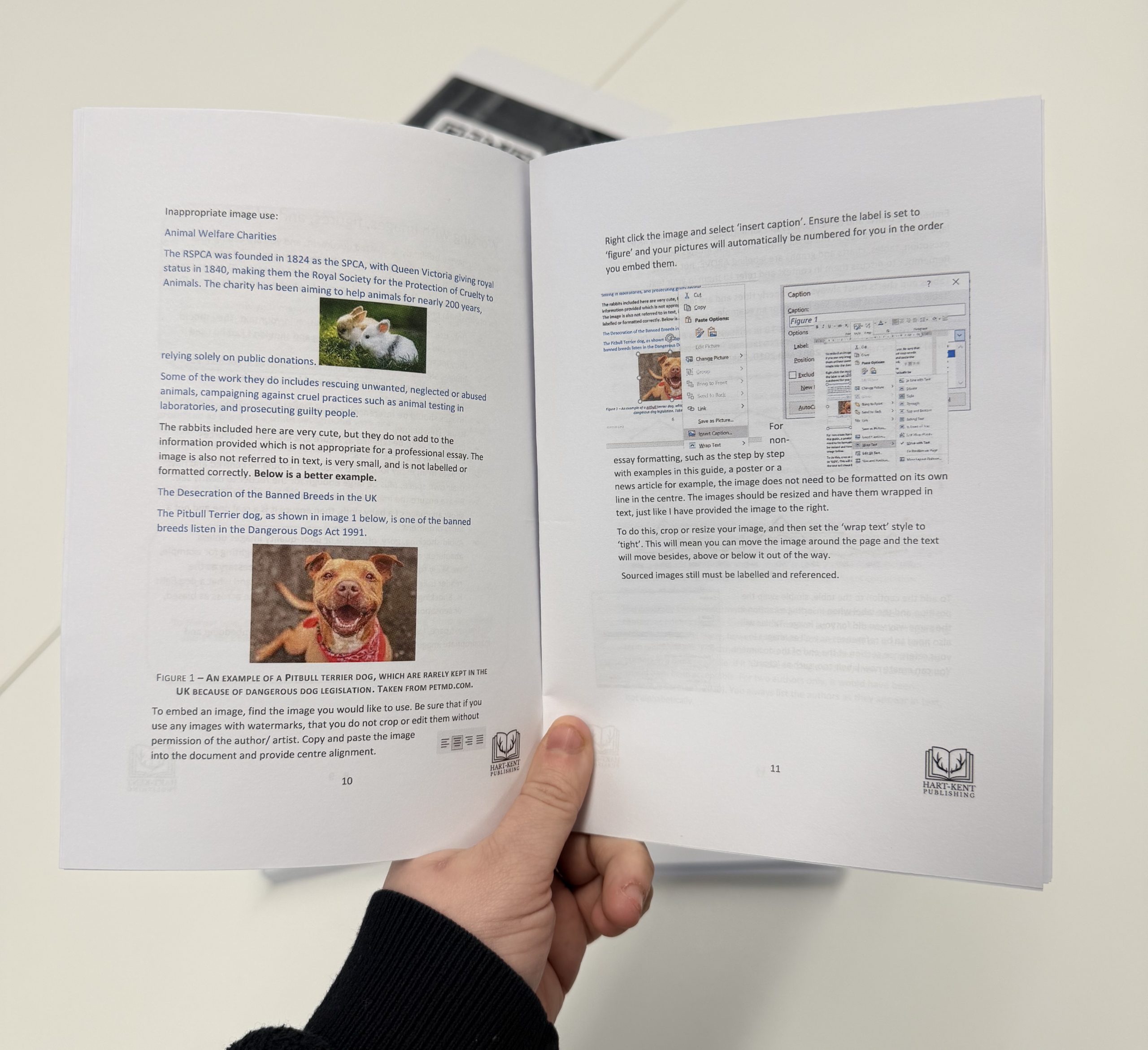
- Working with images, figures and tables
- Labelling and referencing figures, tables and charts
- Creating and formatting appendices
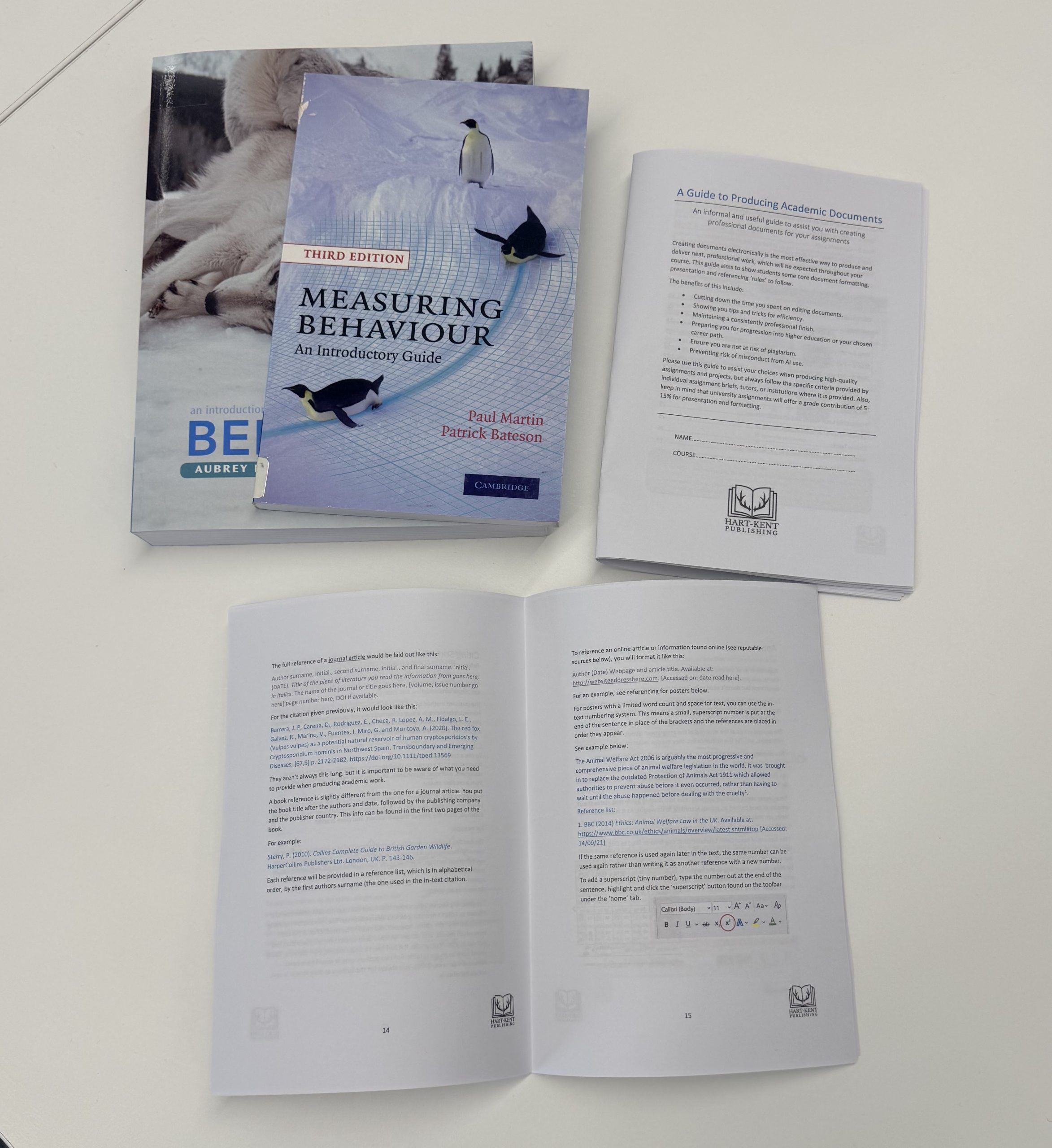
- Harvard referencing and in-text citations
- Referencing journal articles, books and online sources
- Formatting academic posters using Microsoft PowerPoint
- Choosing appropriate poster sizes and layouts
- Writing in an appropriate academic style
- Understanding command words such as describe, explain, discuss, evaluate and analyse
- Planning assignments around word counts
- Using P.E.E./P.E.A. to structure academic paragraphs
- Formatting Latin words and scientific names
- Searching for scientific studies effectively
- Using online books and previews for research
- Understanding AI and academic misconduct
- Practical tips and keyboard shortcuts to make document production more efficient
—————————————————————————————————————————–
Ideal for students and useful for educators too
This resource is particularly useful for:
- College students
- University students
- FE learners
- Undergraduate students
- Students preparing for higher education
- Mature students returning to education
- Students who struggle with academic formatting
- Students developing their academic writing skills
- Teachers and lecturers looking for a resource to provide to their learners
It can be used as a standalone student guide, incorporated into tutorials, or provided alongside assignment preparation sessions. Use this guide to standardise the expectations of your cohort!
The guide itself recommends using it alongside the specific requirements of an assignment brief, tutor or institution, because formatting requirements can vary.
—————————————————————————————————————————–
Why is this useful?
Professional presentation isn’t just about making an assignment look pretty.
Good document formatting can help you:
✔ Save time by using automatic formatting tools rather than manually fixing every page.
✔ Present your work consistently with professional headings, fonts, spacing and layouts.
✔ Develop transferable digital skills that you’ll use throughout your education and career.
✔ Understand academic conventions such as referencing, figures, tables and appendices.
✔ Prepare for higher education and employment, where producing professional documents is an important transferable skill.
The guide was created specifically around these principles, including reducing editing time, improving efficiency, maintaining a professional finish and preparing learners for further study or their chosen career path.
—————————————————————————————————————————–
IMPORTANT: THIS IS A DIGITAL DOWNLOAD
This is an electronic, downloadable resource.
You will not receive a physical guide, and the resource will not be emailed to you.
Once your purchase is complete, you will receive access to a download link immediately, allowing you to download the guide to your computer or device.
You can then save it for reference and print pages if required.
No physical product will be posted.
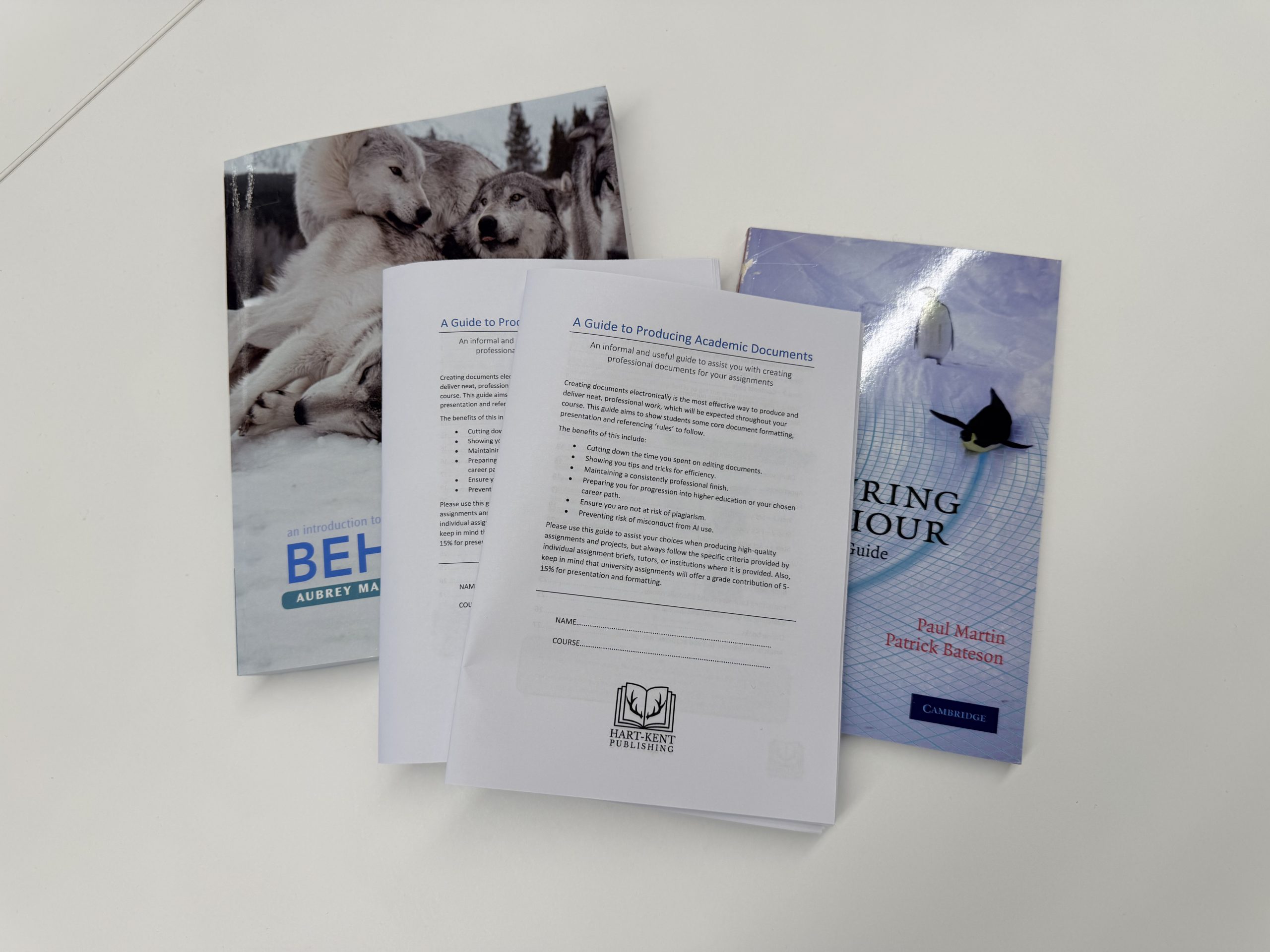
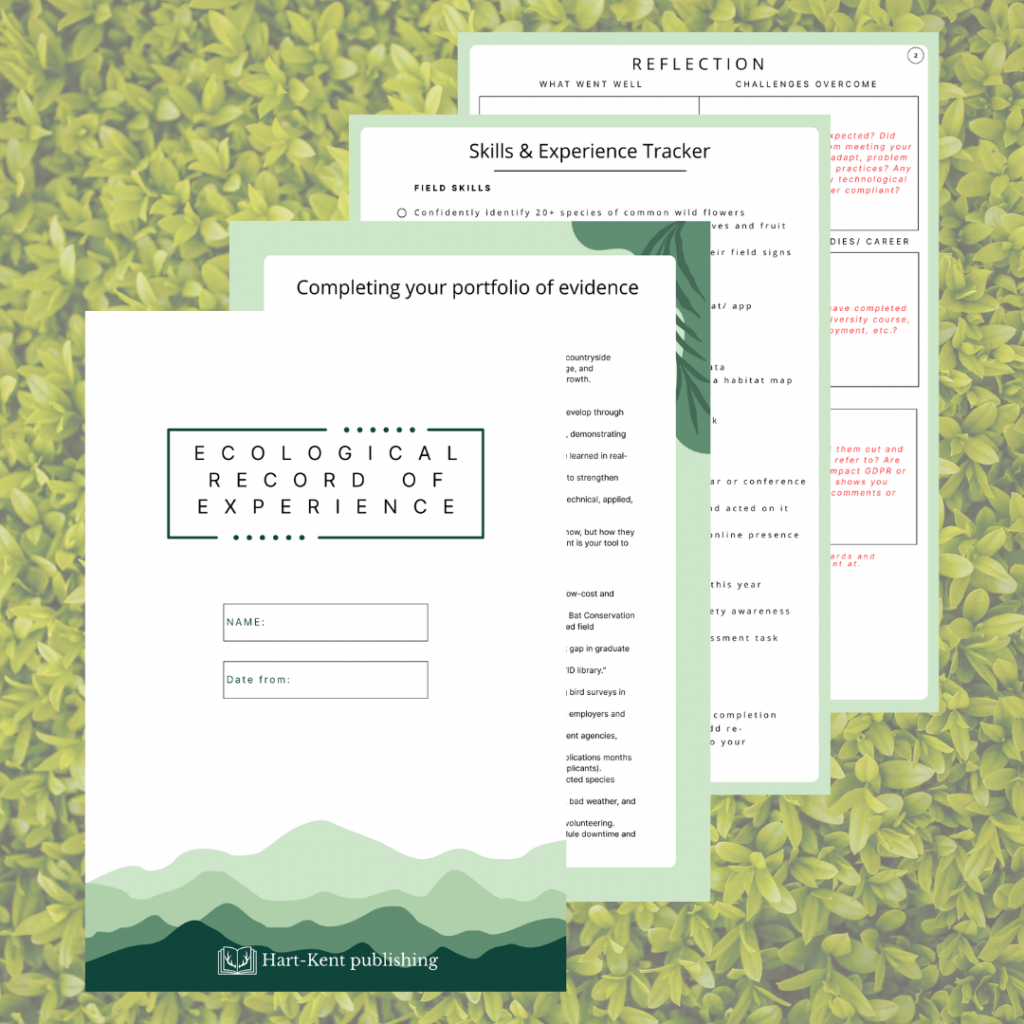
Images are a ‘serving suggestion’ only, an example of a booklet print!
—————————————————————————————————————————–
Licence & permitted use
Your purchase provides a licence for the individual purchaser’s use.
Individual purchasers may:
- Use the guide for their own educational development.
- Save the electronic resource for their own use.
- Print copies for their own individual use.
Educators may:
- Purchase and use the guide with one cohort of learners.
- Provide printed copies to that cohort as part of teaching and learning.
Please do not:
- Edit, alter or modify the resource.
- Resell the digital file or printed copies.
- Share or redistribute the digital file outside the permitted licence.
- Pass the resource or licence on to another person, educator, institution or cohort.
- Upload the resource to public websites, shared drives or unrestricted file-sharing platforms.
- Claim the guide or its content as your own work.
One individual purchase = one individual user.
One educator purchase = one cohort of learners.
If you require a licence for multiple cohorts, multiple classes, departments or wider institutional use, please contact Hart-Kent Publications before purchasing.
—————————————————————————————————————————–
Good academic work deserves good presentation.
A Guide to Producing Academic Documents gives students the practical formatting, presentation, referencing and writing guidance they need to create professional-looking academic work with greater confidence and less frustration.
Reviews
There are no reviews yet.